
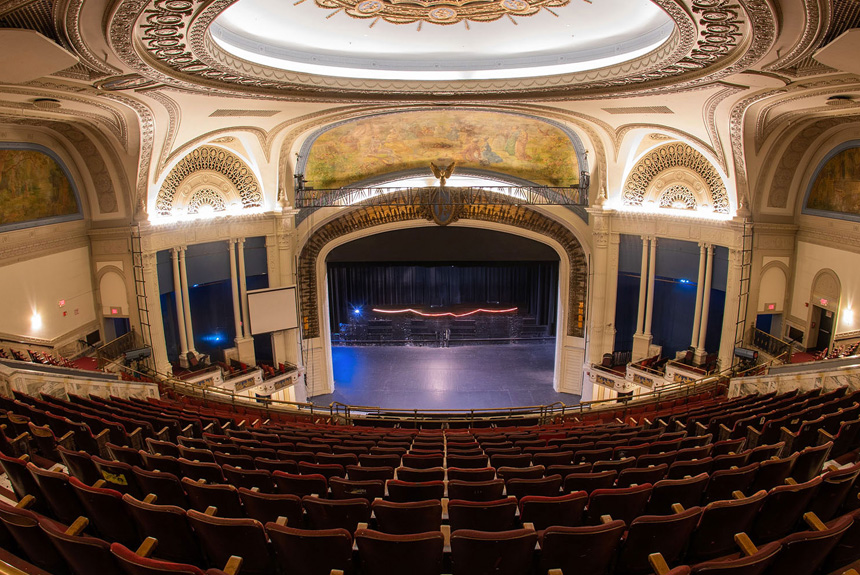
In the U.S. and around the world, fall is the most anticipated time of year for arts enthusiasts. Even I, on a limited budget, use promotional discount tickets to attend as many arts events as I can. I challenge you to do the same, as part of your arts and culture education.
During the next few months, opera houses, symphony halls, and theaters across the country will come alive with new and revived productions, drawing audiences eager to immerse themselves in the magic of live performances.
Attending live events is more than entertainment. It’s a shared cultural experience where each participant plays a role. Practicing civility and etiquette not only honors the performers but also enriches the atmosphere for everyone present.
Whether you’re enjoying a Broadway play, a Mozart symphony, or a rock concert, here are the essentials for being a gracious and considerate audience participant. Below, I have divided my rules into general live performances and performances at the theater, symphonies, operas, and other venues.
8 Golden Guidelines for Every Performance:
- Arrive early. Give yourself ample time to find your seat and settle in. Latecomers disrupt the flow and distract both performers and patrons.
- Dress respectfully. While formality varies by venue, clean, neat, and intentional attire always shows respect for the occasion.
- Silence your devices. Turn off your phones, smartwatches, and any other devices that buzz or glow. Even a small screen light can break the spell of a live performance.
- Keep silent during the show. Save conversations, questions, and commentary for intermission or after the show. Whispering and candy unwrapping are the most distracting.
- Honor your ticketed seat. Sit where you are assigned, and resist the urge to move to a better seat unless you are invited to do so by the ushers.
- Applaud appropriately. Clapping and, at times, snapping fingers are excellent ways to show appreciation, but knowing the right moments is key. More on this below.
- Avoid movement. Try not to wiggle in your seat. It often distracts and blocks the view of those seated behind you. Plan ahead so you can remain seated until intermission. Walking in and out blocks sightlines and disturbs concentration.
- Respect the staff and fellow guests. From the usher who guides you to your row to the patrons seated nearby, courtesy is essential.
Theatre Etiquette
Theatre audiences are uniquely close to the actors’ energy, which makes your attentiveness all the more crucial:
- Applaud entrances for well-known performers, not every cast member.
- Resist the temptation to sing along, even if it’s your favorite musical. The cast has the stage, not the audience.
- When waiting at the stage door, be gracious and patient. Autographs and photos are a privilege, not a guarantee.
- Never call out lines, spoilers, or commentary during the show.
Stay until the final curtain call. It’s a part of the overall performance for the performers to receive appreciation. Leaving earlier disrupts everyone else and shows a lack of respect by being selfish, just to avoid the crowds.
Symphony Etiquette
Symphony etiquette is rooted in tradition and reverence for the music’s flow, so:
- Learn when to clap. Usually, it is at the end of a whole piece, not between movements, unless the conductor signals otherwise. This is a true sign of a savvy symphony goer.
- Let the conductor lead. Wait until the baton lowers to applaud soloists and the orchestra.
- Remain still during quiet passages. Even small noises are magnified in a concert hall.
- When following along with a score, do so quietly and discreetly, because page turns disturb others. Do not use any added lighting devices. They are equally distracting.
Opera Etiquette
Opera combines music, drama, and spectacle, often with added formality:
- Show your enthusiasm by learning the right traditional cheers: “Bravo” for men, “Brava” for women, and “Bravi” for groups. Save shouting these out for brief moments when a central aria is finished, and at curtain calls.
- Read the synopsis beforehand, especially when you are not familiar with the story, and especially if it is sung in a foreign language. Whispering an explanation to your seatmate is not acceptable. Luckily, most opera houses now have supertitles, where you can read and follow along in English.
- Wait until an aria that was a significant piece of work finishes before briefly applauding. Singers need uninterrupted focus.
- Use intermissions to socialize, stretch, and refresh, especially for longer operas.
- Most of all, take care to dress for the occasion. Opera is one of the few places where elegance remains a tradition. Have fun dressing up. It’s not as big a hassle as you may think. The effort you make will enhance your overall enjoyment of the experience.
Etiquette for Other Live Performances, Beyond the Big Three
Don’t forget that etiquette extends to other forms of live performance:
- Ballet and dance. Brief applause often follows variations or duets, with a full ovation at the end.
- Jazz clubs. Mid-performance applause for solos is encouraged. The vibe is intentionally more relaxed.
- Comedy and Improv. Laughter and participation are part of the fun, but heckling is never polite.
Live performances are a celebration of human creativity and connection. By practicing thoughtful etiquette, you not only honor the dedication of the performers but also enhance the shared experience for the entire audience.
This fall, and whenever you attend a play, a concert, or an opera, remember: your behavior is part of the performance too.
Happy Practicing
Glad you mentioned when to Clap!
People often Clap at the end of movements!
Well done, Syndi! I particularly like the “Learn when to clap” section. It’s kind of embarrassing when novice symphony-goers clap at the end of a movement, not at the end of a piece…