

Earth Day is an international event celebrated annually on April 22nd in more than 190 countries. While it began in the United States in 1970, it went global in 1990. It is now considered the world’s largest civic event, with over 1 billion people participating in environmental actions.
I believe everything in life has etiquette! It usually applies etiquette to relationships, social settings, business environments, and shared spaces, but the truth is, the planet is our ultimate shared space. And, if etiquette is about respect, consideration, and doing our part to make life healthier, happier, and more congenial for others, then caring for Earth is absolutely an issue of etiquette. I call it Earth Etiquette. The manners, habits, and choices that show we understand we’re not the only ones living here.
Consider Earth Day—and perhaps the entire month—as the gentle tap on the shoulder to ask yourself how you are treating the place where you live. Whether we think about it daily or not, we are all inhabitants of this Earth. And like anything alive that sustains life, the earth requires care to remain healthy and last.
Earth Day can be more than symbolic. The first Earth Day raised awareness and helped drive real change. It contributed to the creation of the U.S. Environmental Protection Agency (EPA) and helped build support for cornerstone legislation like the Clean Air Act, Clean Water Act, and Endangered Species Act. And because the need hasn’t gone away, Earth Day continues to be observed worldwide.
Really, Earth Day should matter year-round. Environmental health isn’t extra. Clean water isn’t optional. Safe air isn’t a luxury. A stable climate, healthy soil, and thriving ecosystems are the support system for human life and existence.
So yes, Earth Day and etiquette go hand-in-hand.
Sometimes people hear the word “etiquette” and think it’s all about rules, place settings, and the “right” way to do things. But at its core, etiquette is simply a framework for respect. (See past article: INFO MISSING.
It’s how we show consideration, especially in shared spaces. And what space is more shared than the planet? Environmental care is certainly about policy and innovation, but it’s also about daily behavior. It’s about how we move through the world, what we consume, what we waste, and what we choose to protect.
Earth Etiquette means we must do our part because Earth is our home.
Here are 8 ways to practice Earth Etiquette:
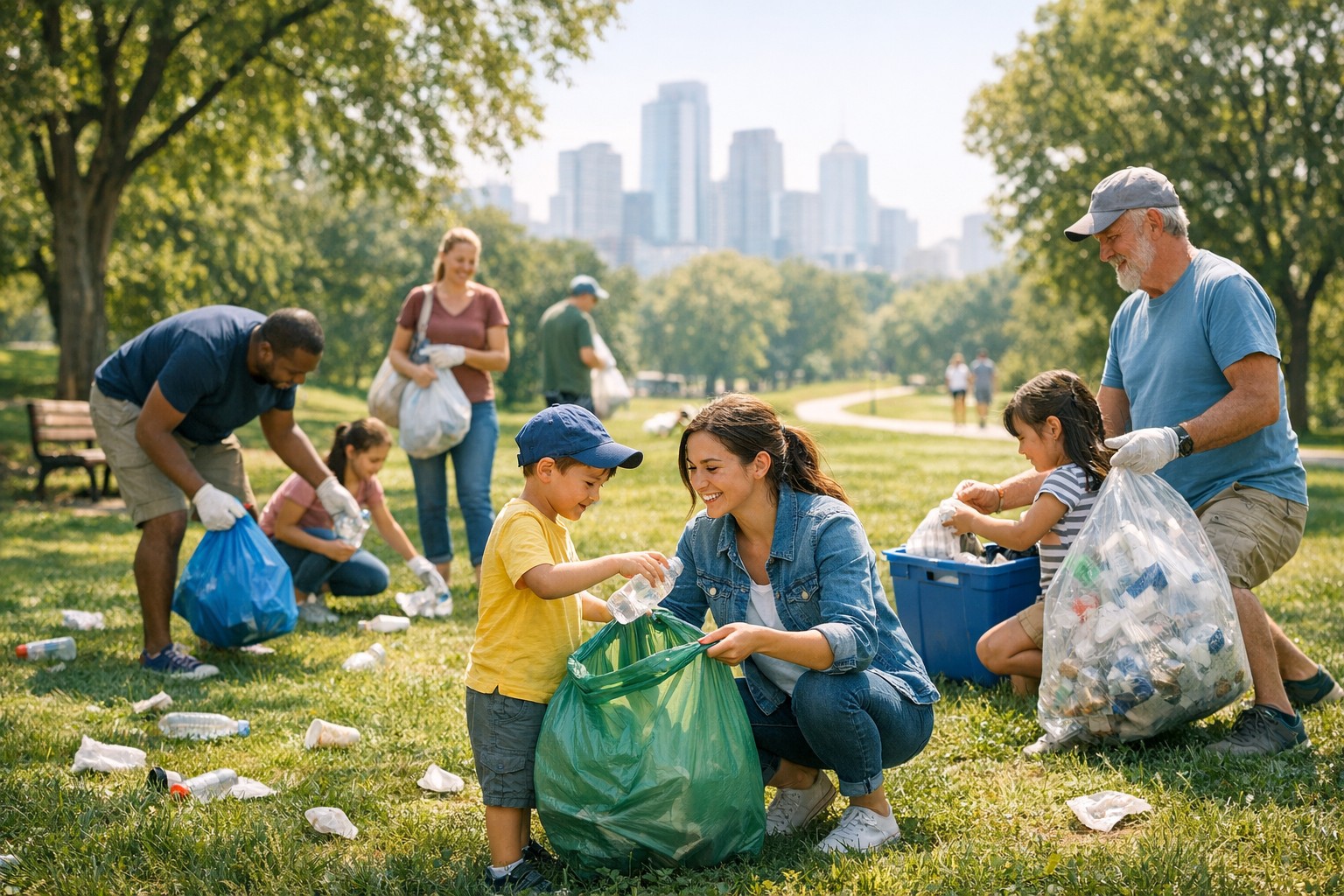
1. Leave the outside better than you found it. It’s a small act with a big message, saying you care. If you’re at a beautiful park, beach, trail, or simply walking around your neighborhood, don’t leave trash behind. Better yet, if you see litter, pick it up.
SS: My husband and I used to camp at the same hidden site for over 20 years. Every year, it looked just as pristine as the first time we arrived because we cleaned up everything we brought, especially our trash, leaving it just as fresh and untouched as before.
2. Use water and energy like a considerate guest. Conservation is consideration. In someone else’s home, you wouldn’t waste water or leave every light on. Earth Etiquette includes turning off lights, unplugging unused devices, taking shorter showers, running full loads of laundry, and making energy-conscious choices whenever possible.
SS: Recycling gray water during severe droughts in CA helps keep the garden properly watered and alive.
3. Reduce waste, because waste doesn’t disappear. Reducing waste shows respect for the future. Overconsumption is one of the quickest ways to strain the planet. Earth Etiquette encourages us to choose reusable items, avoid plastic and excessive packaging, repair before replacing, and recycle properly by separating compostables, recyclables, and landfill waste.
SS: As global populations grow, it is our responsibility to separate trash for proper disposal.
4. Pollution includes more than what we see. Think of this suggestion as a way to keep the volume down, environmentally and socially. We often focus on visible pollution, but noise, chemicals, and toxins matter too. Use cleaners that are gentle on waterways. You can also dispose of hazardous items correctly, avoid idling your car, and be mindful of creating noise in outdoor spaces.
SS: Pollution takes many forms. Always opt for natural products instead of synthetic chemicals. These are now easy to find online.
5. Don’t wait for a crisis. Be preventative. Prevention is one of the most responsible—and most overlooked—forms of environmental respect. Fix leaks quickly. Maintain your vehicle. Seal drafts. Care for your outdoor spaces in ways that protect soil and water.
SS: “A stitch in time saves time” is an old saying meaning to take time and care enough about preventing bigger problems that, in today’s world, cost more in terms of time, energy, and money.
6. Travel with consideration. How we move through the world has an impact. Transportation is a daily opportunity to practice Earth Etiquette. When you can, walk, bike, carpool, or use public transit. Combine errands into fewer trips. Drive smoothly, because rapid starts and stops waste fuel.
SS: One of the best ways to experience other places around the world is to use their public transportation like a local. It saves money for other fun activities and offers a great local experience.
7. Support responsible businesses and community choices. A well-mannered society pays attention to shared needs. Etiquette isn’t just personal; it’s communal. Support brands and companies that show real commitment to sustainability and ethical practices. In your community, advocate for clean water, protected green spaces, and responsible waste systems.
SS: The one thing I love about the U.S. is that we believe in choice. What’s important today is making the right decisions for the long-term health of our planet.
8. Teach Earth Etiquette through example. Speak about the planet with gratitude. Modeling care teaches belonging. Invite others to create simple habits such as recycling correctly, respecting wildlife, appreciating nature without harming it, planting something, or volunteering for a cleanup.
SS: Especially in recent years, I’ve dedicated my life to being a Citizen Steward*. What this means is that we should all, individually and collectively, volunteer to actively care for and be responsible for our shared natural resources, public spaces, and community well-being.
This involves hands-on conservation efforts, environmental monitoring, and civic action to ensure sustainability for current and future generations, shifting responsibility from just the government to a shared communal obligation.



Conclusion:
Earth Day is a yearly reminder that our planet isn’t just where we live—it’s what sustains us. The way we treat it reflects who we are. When we practice Earth Etiquette, we choose civility over carelessness, responsibility over convenience, and respect over disregard.
So, on April 22nd—and every day we live on Earth—let Earth Day be more than a one-day remembrance. Let it be a lifelong way of living, like all other forms of etiquette, where kindness, awareness, and consistency matter. Because treating the Earth with etiquette and good manners isn’t different from treating people well—with love and care. It’s the same practice, expanded to include the home we all share… Earth!
*Key Aspects of Citizen Stewardship:
Essentially, being a citizen steward is the process by which individuals take personal and collective responsibility for the environment and public spaces they share.
It also involves every citizen exercising the honor, privilege, and freedom to vote for our leaders at the local, state, and national levels who share our commitment to responsibly stewarding our communities, world, and planet.
- Action-Oriented: Includes restoring habitats, cleaning up litter, removing invasive species, and planting trees.
- Civic Engagement: Involves participating in local meetings, advocating for environmental policies, and reporting pollution.
- Long-Term Focus: Encourages sustainable daily habits such as composting, reducing energy use, and recycling.
- Shared Responsibility: Connects personal actions with community, regional, and global ecological health, often in partnership with local governments or organizations.
Happy Practicing!
“Earth Etiquette” and your action tips are appreciated. They are a deep connection to your message of treating others with respect. Love all your reminders for us to retain what makes us human and hopeful!